WHICH RESTRAINING ORDER OR INJUNCTION TO FILE
January 20, 2022

In Wisconsin, there are four (4) different types of restraining orders or an Injunction. You can file a Motion and request the Court to File a Restraining Order or an Injunction, depending on the details of your situation. According to the Wisconsin Department of Justice, restraining orders can order someone “not to hurt you, to stay away from you, move out of the house, have no contact with you, or stop harassing you.” With the different types of restraining orders, you can file against your current or ex-spouse, partner, co-parent, family or household members, a loved one’s caretaker, or even a stranger or acquaintance.


The types of restraining orders include:


Domestic Abuse Restraining Orders


You should file a domestic abuse restraining order if your family or household members, co-parent, or current or former spouse or partner subjects you to domestic abuse.


Under Wisconsin Statutes § 813.12(1)(am), domestic abuse may include:


  • Intentionally inflicting pain or injury
  • Sexual assault
  • Threats
  • Stalking
  • Property damage


If someone you live with or have or had a dating relationship with hurts you or makes you feel afraid, a domestic abuse restraining order may be appropriate.


Harassment Restraining Orders


Harassment restraining orders are like domestic abuse restraining orders, but they are much broader. Not only can you file against a friend, acquaintance, or stranger, but the conduct that warrants a harassment restraining order also includes any acts meant to harass or intimidate you.


If someone with whom you do not have a domestic relationship strikes, shoves, or makes any other physical contact with you, you can file a harassment restraining order. You can also file a harassment restraining order if you have been sexually assaulted by a stranger or an acquaintance.

Harassment restraining orders may also be appropriate if you are being stalked, threatened, harassed, or intimidated.


Examples of stalking and harassment may include someone showing up at your workplace, entering your property without permission, following you around, trying to gather information about you, contacting you repeatedly, sending unwanted gifts or materials, or saying you’ll “be in trouble” if you do not fulfill their wishes.


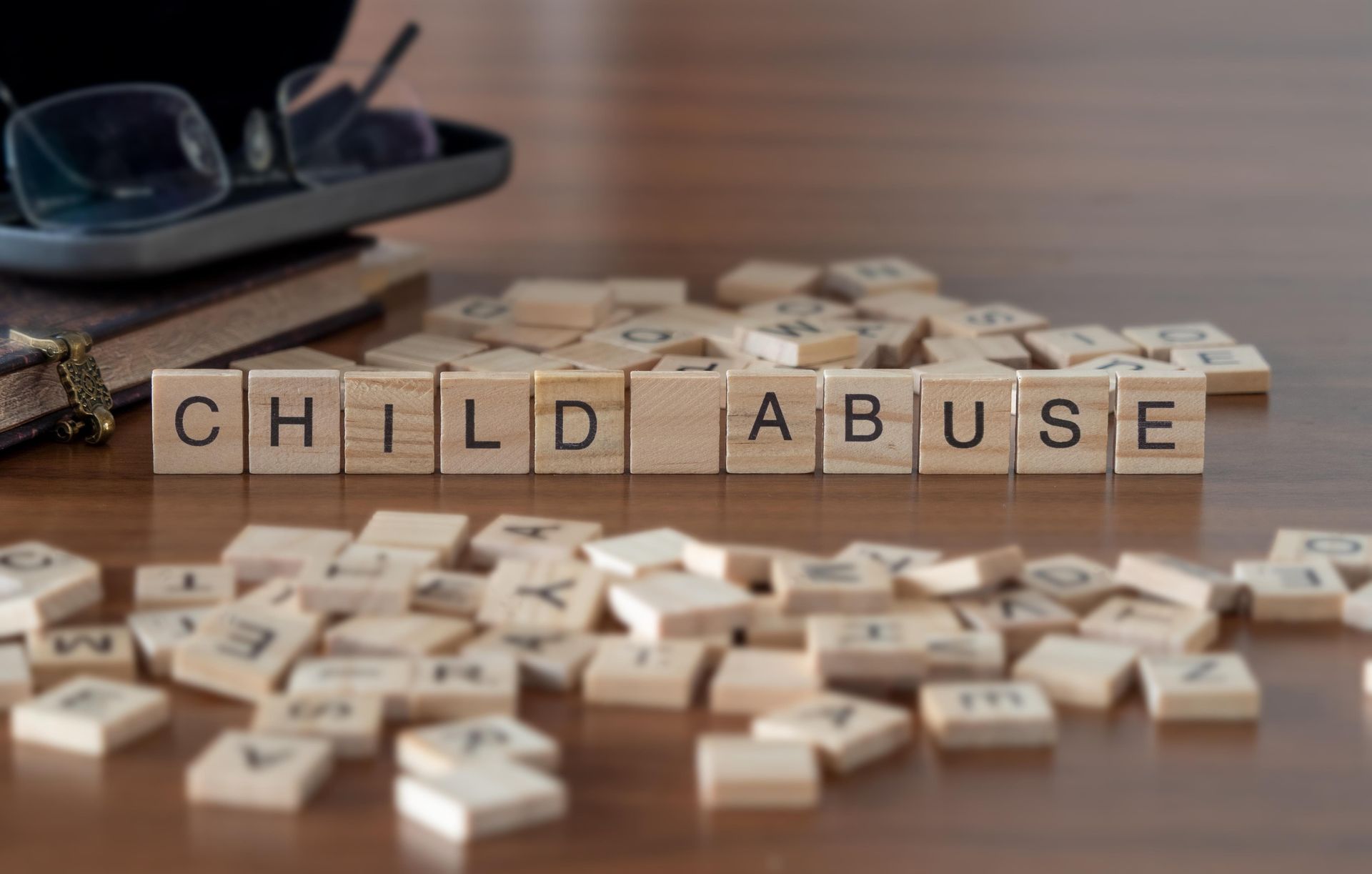
Child Abuse Restraining Orders


If someone causes physical injury or emotional damage to your child or a child you know, you can file a restraining order on the child’s behalf. While domestic abuse restraining orders can protect you and your children, there are some situations where a child abuse restraining order may be necessary.


Individual at Risk Restraining Orders


Similarly, elderly individuals or people with physical or mental health conditions may need protection from abuse and neglect. If you are concerned about an elder over 60 or an impaired adult who is experiencing or at risk of experiencing physical abuse, sexual abuse, emotional abuse, financial exploitation, or neglect, you can file an individual at risk restraining order.


These restraining orders may be useful if someone is being abused or neglected by their caretaker or even suffering unreasonable confinement or restraint in a nursing home.


What Are the Most Common Restraining Orders?


Majority of restraining orders are filed to protect women against a male alleged abuser. As such, the most common restraining orders in Wisconsin are domestic abuse restraining orders and harassment restraining orders.


No one, male or female, should have to suffer abuse or live-in fear. If you or someone you love is being stalked, harassed, or harmed by anyone else, please discuss your legal options with the Law Office of Kaminski & Pozorski. Our experienced legal team can help you choose the correct restraining order, file a temporary restraining order in court, and take the required steps toward lasting protection.


Collectively, our attorneys have been practicing family law and helping clients with restraining orders for more than 30 years, and we can help you, too.


All you need to do is call us at (920) 684-6694 or online to schedule your free phone consultation today.


November 17, 2026
Considering adoption in Wisconsin? Learn the main types, who qualifies, the legal steps, and how Manitowoc family lawyers can guide you. Free consultation.
Wisconsin child custody school year placement schedule — Manitowoc family law attorney
September 28, 2026
School year underway? Learn how Wisconsin law handles school choice, placement schedules, and records access. Free consult: (920) 684-6694.
August 5, 2026
Facing a divorce in Wisconsin? Learn how Wisconsin handles child custody, child support, and property division — and how the family law attorneys at Kaminski & Pozorski can help. Free consultation: (920) 684-6694.
July 15, 2026
Wisconsin has no fixed formula for spousal maintenance, often still called alimony. Instead, judges weigh factors such as the length of the marriage, each spouse's age, health, and earning capacity to decide both whether maintenance is appropriate and, if so, how much and for how long. Here's how Wisconsin courts approach spousal maintenance, and what matters most for spouses going through a divorce in Manitowoc County.
June 3, 2026
Learn how contested divorce works in Wisconsin, including custody disputes, property division, mediation, and court proceedings. Contact Kaminski & Pozorski in Manitowoc for experienced family law representation.
Hand signing legal documents beside a gavel and wedding rings on a wooden desk
May 4, 2026
Trusted Wisconsin divorce lawyer and Manitowoc family law attorney. Get help with custody, support, and property division. Schedule a consultation today.
April 6, 2026
Protect your small business during divorce in Wisconsin. Learn legal strategies for business owners and how Kaminski & Pozorski in Manitowoc can help safeguard your assets.
March 6, 2026
When a parent in Wisconsin harms their child or fails to protect them, the consequences — legal, familial, and personal — can be severe. It’s important for everyone to understand what actions qualify as child abuse under state law and the possible outcomes a parent might face if accused or found responsible.
Wisconsin grandparents rights, grandparents visitation rights Wisconsin, divorce grandparents rights
February 6, 2026
Learn when grandparents can seek visitation rights in Wisconsin divorce cases. Expert guidance from Kaminski & Pozorski family law attorneys in Manitowoc.
January 7, 2026
If you’re going through a divorce in Wisconsin, you may be wondering: Can my spouse (or I) get more than half of our assets? The answer is yes — depending on the circumstances. Wisconsin is a marital property state , which means courts start with a 50/50 split. But that’s only a presumption , not a guarantee. Here’s when a spouse can get more than 50% in a Wisconsin divorce. When Courts Award More Than 50% of Assets Wisconsin judges can divide property unequally if an equal split would be unfair. Common reasons include: 1. Major Premarital Assets If one spouse entered the marriage with significantly more property, a court may award them a larger share. 2. Short Marriage Short-term marriages often result in uneven division, especially when one spouse contributed more financially. 3. Large Difference in Earning Capacity If one spouse earns far more or has greater future earning potential, the other may receive more than half. 4. Age or Health Issues A spouse facing disability, illness, or limited future income may receive a greater portion of assets. 5. Wasting or Hiding Assets If a spouse gambled, hid, or improperly spent marital funds, the other may be compensated with a bigger share. 6. Contributions to Career or Household Spouses who supported the other’s education, career, or stayed home with children may be awarded a larger portion. What About Inheritances or Gifts? Individual inheritances, gifts, and certain personal injury awards are normally excluded — unless they were mixed with marital funds, in which case they may be divided. Bottom Line A 50/50 division is the starting point, but Wisconsin courts can — and often do — adjust property division for fairness. Yes, a spouse can absolutely receive more than 50% of the assets. Contact Us If you’re in Manitowoc, Green Bay, Appleton, Sheboygan, Kewaunee, or the surrounding area and need assistance with holiday visitation, parenting plans, or family law matters, please contact Kaminski & Pozorski at (920) 684-6694 for a free consultation.